
Accessing a decentralized data marketplace that truly rewards contributors and gives data owners control remains needlessly difficult. Many marketplaces rely on centralized intermediaries or limit direct creator monetization, which blocks real-time price signals and full ownership. This comparison highlights token models, governance controls, and payout structures across six marketplaces so teams, creators, and investors can pick a platform that matches their goals.
Table of Contents
DitGold
At a Glance
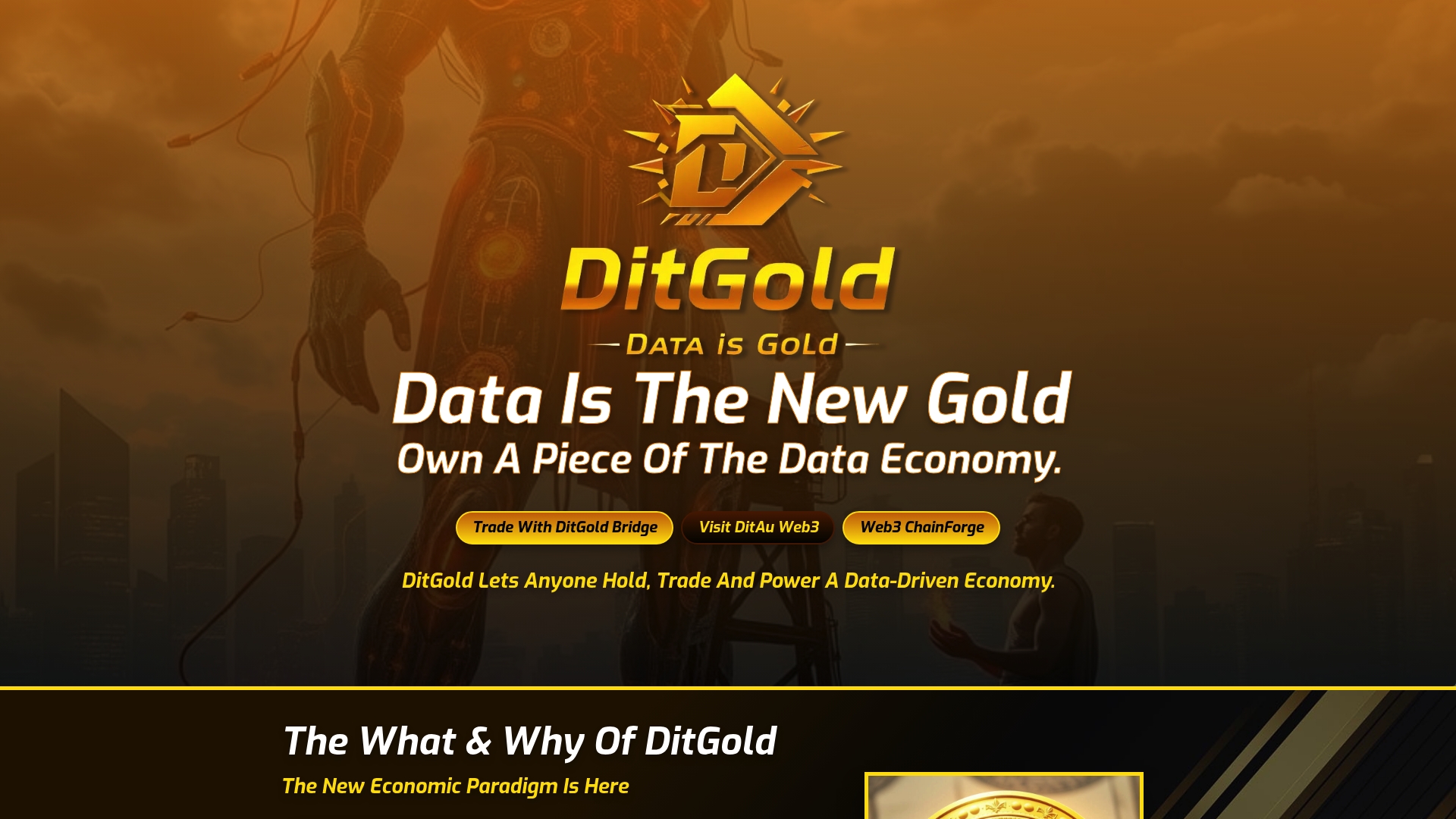
888,888,888 DitAu total supply and an initial liquidity injection of 8.88 ETH anchor DitGold’s token model. The project pairs a decentralized marketplace for dataset listing and licensing with community voting that influences protocol upgrades. The platform targets developers, data entrepreneurs, investors, and community builders who treat data as a tradable asset.
Core Features
DitGold supports a Decentralized data marketplace for listing, licensing, and trading datasets while enabling creators to attach tokenized rights to their assets. The platform uses DitAu for governance, staking, and economic incentives and offers AI and analytics tools for discovery and insight generation. Smart contract security audits and Web3 developer tools complete the stack for teams building interoperable data applications.
Key Differentiator
The single distinctive capability is the combined workflow from tokenizing datasets to community governance and developer tooling. That integration lets dataset creators monetize directly and lets voters fund protocol work through governance. The setup moves value capture toward contributors rather than centralized intermediaries.
Pros
Positioning data as a tradable asset attracts creators who need a marketplace and token model to monetize datasets. Active community governance via DitAu encourages transparency and gives stakeholders voting power over upgrades and funding. The ecosystem pairs analytics, smart contract security audits, and developer tools, which helps builders ship dApps that consume tokenized data and reduces integration friction.
Cons
- Limited evidence of widespread live marketplace transactions and large-scale operational liquidity
Who It’s For
Developers building decentralized data applications and dApps will find the developer toolset useful. Data entrepreneurs wanting to tokenize and license datasets can use the marketplace to reach buyers. Investors and community members who want to stake tokens and vote on protocol direction will fit the governance model.
Unique Value Proposition
Tokenized datasets listed on a marketplace that links directly to governance and staking changes how creators realize value. That model lets a dataset seller receive market price signals directly and lets the community allocate resources to platform improvements. For teams, this reduces reliance on third-party brokers and keeps licensing revenue and protocol decisions within the ecosystem.
Real World Use Case
A researcher mints a token that represents licensing access to a proprietary dataset and lists it for sale. Community members purchase access and stake DitAu to support ecosystem incentives and feature grants. Developers then integrate the licensed data into a dApp that runs analytics and pays royalties back to the token holder.
Pricing
Pricing operates through tokenomics rather than fixed fees. The model lists a total supply of 888,888,888 DitAu, with initial liquidity of 8.88 ETH and trading available on Uniswap and other DEXes. There are no subscription plans; market trading, airdrops, and staking form the economic incentives.
Website: https://ditgold.com
Ocean Protocol
At a Glance
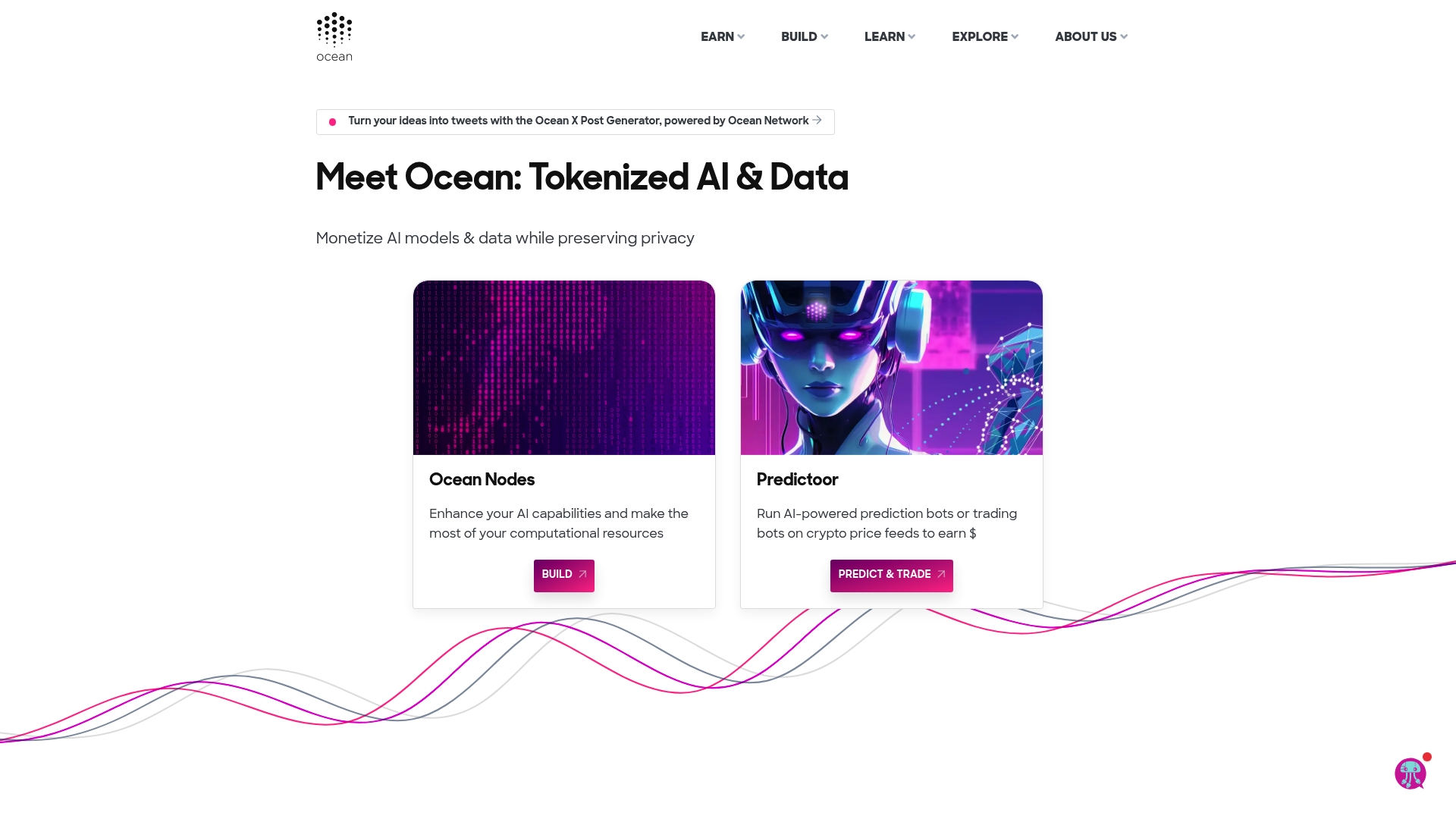
Ocean Protocol makes data tradable without handing over raw records by using Compute-to-Data. That approach lets buyers run algorithms next to data while the holder keeps control. The platform also uses Data NFTs to assign property rights and track provenance across marketplaces. These mechanisms aim to let data owners monetize assets while limiting exposure.
Core Features
Ocean Protocol combines token models and on chain market interfaces to enable peer to peer data exchange. It supports Data tokens for permission control, Data NFTs for property rights, and decentralized marketplaces where providers list assets. The platform ties compute execution to access rules so models can train without moving raw datasets.
Key Differentiator
Ocean Protocol centers on privacy preserving commerce by design. The platform links Data NFTs, Data tokens, and Compute-to-Data so access, pricing, and computation follow the data owners policy. That architecture separates it from marketplaces that only mediate file transfer or simple API access.
Pros
Ocean Protocol lets data owners sell access while keeping legal and technical control over records. Its Compute-to-Data model reduces the risk of raw data leakage and supports compliant model training workflows. The token model provides programmable pricing and access, which fits DeFi experiments and automated market makers. The project also publishes developer guides and tooling that make building marketplaces and adapters faster for blockchain savvy teams.
Cons
- Complex setup for newcomers and developers. Getting wallets, tokens, and compute environments right requires blockchain experience.
- Limited mainstream adoption outside blockchain circles. Fewer noncrypto buyers may appear on listings.
- Potential regulatory friction with varying privacy laws. Legal work may be needed for cross border datasets.
- Higher transaction costs on some blockchain layers. Fees can add up for low value listings.
When It May Not Fit
Teams that want flat rate bulk purchases or simple fixed price catalogs will not find that model here. Organizations that lack blockchain expertise will face a steep learning curve during integration. Projects that need tight off chain data integration without tokenization may find the platform mismatched to their architecture.
Who It’s For
Ocean Protocol fits blockchain enabled data owners, AI developers, and enterprises that want programmable access control and revenue models. It suits groups that value cryptographic provenance and who can invest in token engineering and smart contract setup. Enterprises with compliance teams and developer capacity will get the most value.
Real World Use Case
A healthtech startup mints a Data NFT to represent an aggregated patient dataset and issues Data tokens for access. Hospitals keep raw records within their environment while researchers run approved training jobs via Compute-to-Data. The arrangement lets the hospitals collect fees and keep audit trails without exposing identifiable records.
Pricing
Ocean Protocol does not set fixed prices for datasets. Data providers set token prices and marketplaces may charge listing or transaction fees. The platform documentation recommends flexible pricing models to match asset value and demand, and individual deployments may add their own fee schedules.
Website: https://oceanprotocol.com
Datum
At a Glance
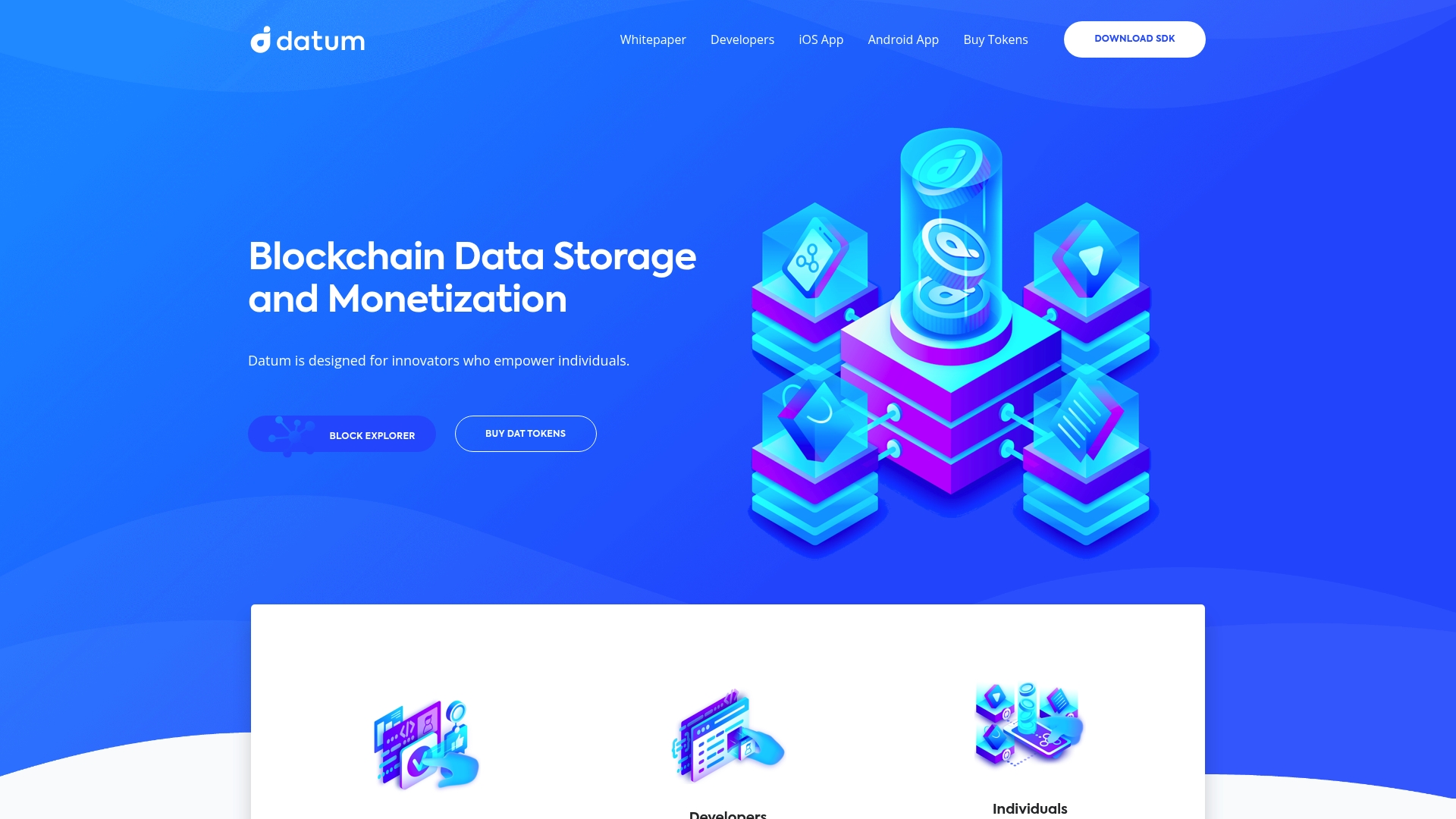
Datum runs storage on BigchainDB and pins data to IPFS, while marketplace fees move through DAT tokens. The platform combines a mobile app for personal data control with developer SDKs and a built-in marketplace for permissioned data trading.
Core Features
Datum records structured data in encrypted, immutable smart contract entries and links large objects to IPFS through BigchainDB. The platform gives individuals direct control over privacy and sharing permissions via a mobile app, and provides SDKs that let developers build apps that respect user consent. A marketplace layer lets contributors list anonymized datasets and receive compensation in DAT tokens.
Key Differentiator
The platform uniquely combines blockchain-based ownership with a marketplace that lets users monetize data on their own terms. Compared with Ditgold, Datum targets privacy-conscious individuals and developer teams focused on direct consumer consent and token-based micropayments.
Pros
Datum gives individuals clear control of who accesses their data and when. Its architecture uses blockchain for transparent, tamper-evident records and IPFS for scalable object storage, which reduces reliance on centralized silos. The mobile app lowers the barrier for nontechnical contributors, and SDKs let developers integrate consent controls without reimplementing cryptography. The marketplace model creates a direct economic path for users who want to monetize anonymized data.
Cons
- Market and user adoption remain emerging and may delay liquidity for sellers.
- Blockchain complexity can raise the learning curve for some developers and contributors.
- Limited localized support may make the platform hard to use in some regions.
When It May Not Fit
Organizations needing a centrally managed, conventional data stack will find Datum unfamiliar. Enterprises with large, regulated data estates should expect initial integration work and possible scalability planning. Users in jurisdictions without clear blockchain and data privacy regulation should seek legal guidance before active monetization.
Who It’s For
Privacy-focused individuals who want direct control and token rewards, developers building privacy preserving apps, and small product teams wanting to add user-controlled data sharing. It suits groups that prefer decentralized storage and consent primitives over traditional vendor-managed databases.
Real World Use Case
A person installs the Datum mobile app, creates a Datum ID, and stores health and location records under encrypted permissions. They grant time-limited access to a research study and receive DAT tokens. A developer uses the SDK to request only the allowed fields and logs consent on-chain.
Pricing
The mobile app is free to download. SDK and API access are available for developers. Storage and transfer costs follow usage pricing, and marketplace fees are paid in DAT tokens. There are no fixed subscription or licensing fees.
Website: https://datum.org
DC Network
At a Glance
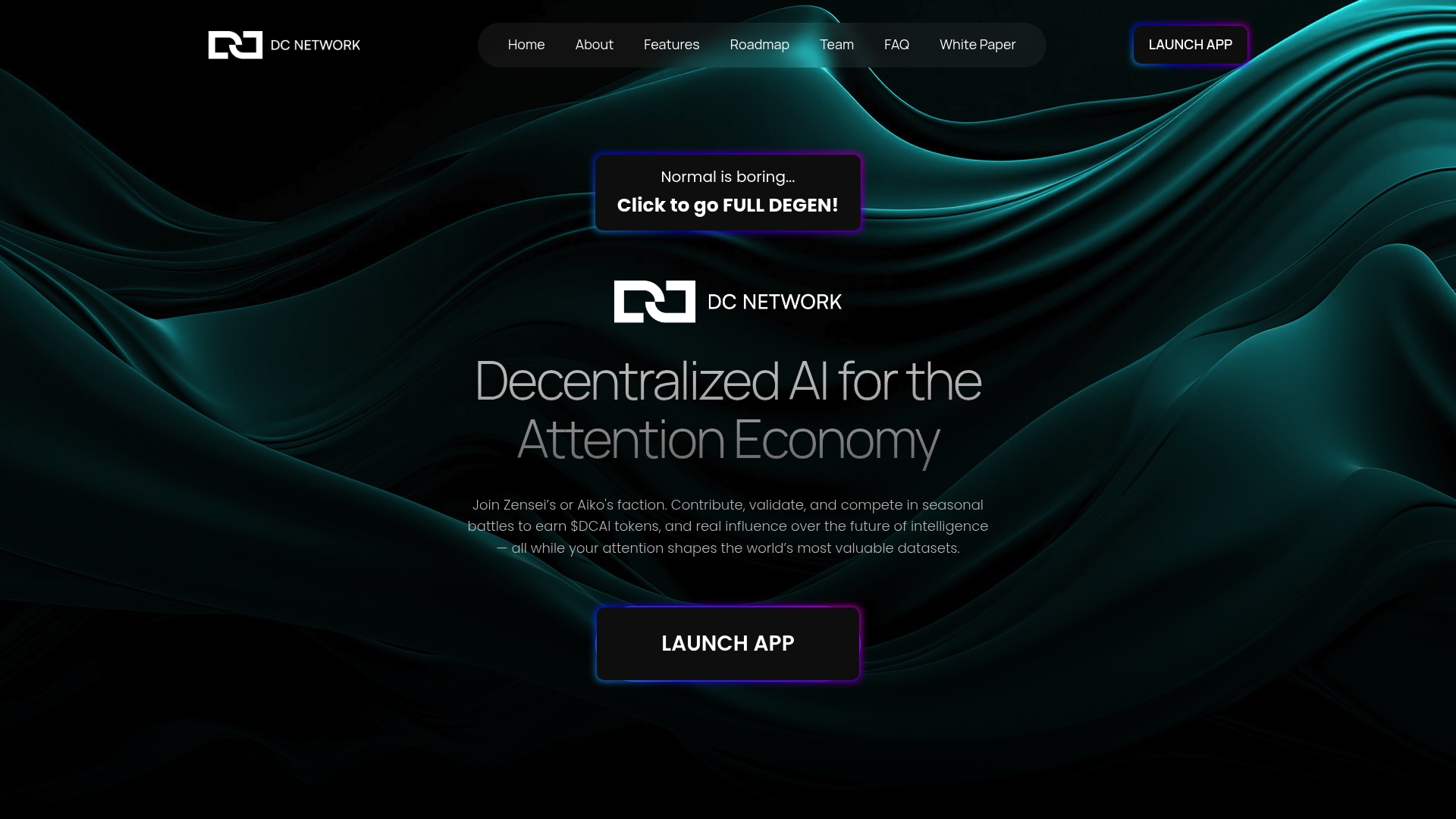
Users pick one of two factions, Zensei’s Accord or Aiko’s Dominion, then compete in seasonal battles for $DCAI tokens and exclusive NFTs. This mechanic ties attention to measurable rewards and gives community voting real economic impact. The faction names shape identity and incentives across the marketplace.
Core Features
DC Network uses a faction based system to turn contribution into competitive play, with seasonal battles that pay token and digital asset rewards. The marketplace runs AI driven data quests and multi layer validation to improve dataset quality while letting contributors earn through participation. AI agents with distinct personalities guide quests and validation flows.
Key Differentiator
The platform blends community gamification and Web3 incentives around decentralized AI agents, creating social competition as the primary driver of data supply. That design shifts value capture from passive listings to active participation. For projects that want engagement to determine dataset direction, this mechanic acts as the platform’s core attractor.
Pros
The faction model produces clear social incentives that increase participation and repeated contribution. Token rewards and seasonal NFTs create several reward paths, so contributors can earn currency or collectible assets. Validation layers and role of AI agents help raise contribution quality while keeping the experience game like and approachable for crypto native participants. The platform also positions itself for high engagement among Web3 communities focused on AI and gamified experiences.
Cons
Steep learning curve for people unfamiliar with Web3 concepts or crypto wallets. Newcomers will face onboarding friction.
The marketplace focuses on gamified community data rather than bulk data sales. It may not meet enterprise needs for large labeled datasets.
Token value and decentralization introduce volatility and governance risks that affect reward predictability.
When It May Not Fit
Teams needing traditional data procurement or predictable bulk pricing will find DC Network misaligned with their procurement model. Organizations outside crypto or gaming communities may struggle to engage contributors. Projects that require enterprise grade SLAs, large scale exports, or direct purchase contracts should look to conventional data marketplaces instead.
Who It’s For
The marketplace fits Web3 enthusiasts, gamers, and AI hobbyists who want to earn for contribution and influence dataset direction through social play. It suits people comfortable with crypto wallets and token mechanics, plus small teams exploring community sourced intelligence for experimental models.
Real World Use Case
A contributor joins, selects a faction, and completes a high value quest by labeling conversational data. Other faction members validate submissions. Seasonal scoring awards that contributor $DCAI and an exclusive NFT, which increases their standing and access to higher reward quests.
Pricing
Free to join. Contributors earn $DCAI tokens through contribution and validation. Exclusive NFTs and seasonal rewards become available during events, creating optional paid or earned premium experiences.
Website: https://dcnetwork.ai
obscra
At a Glance
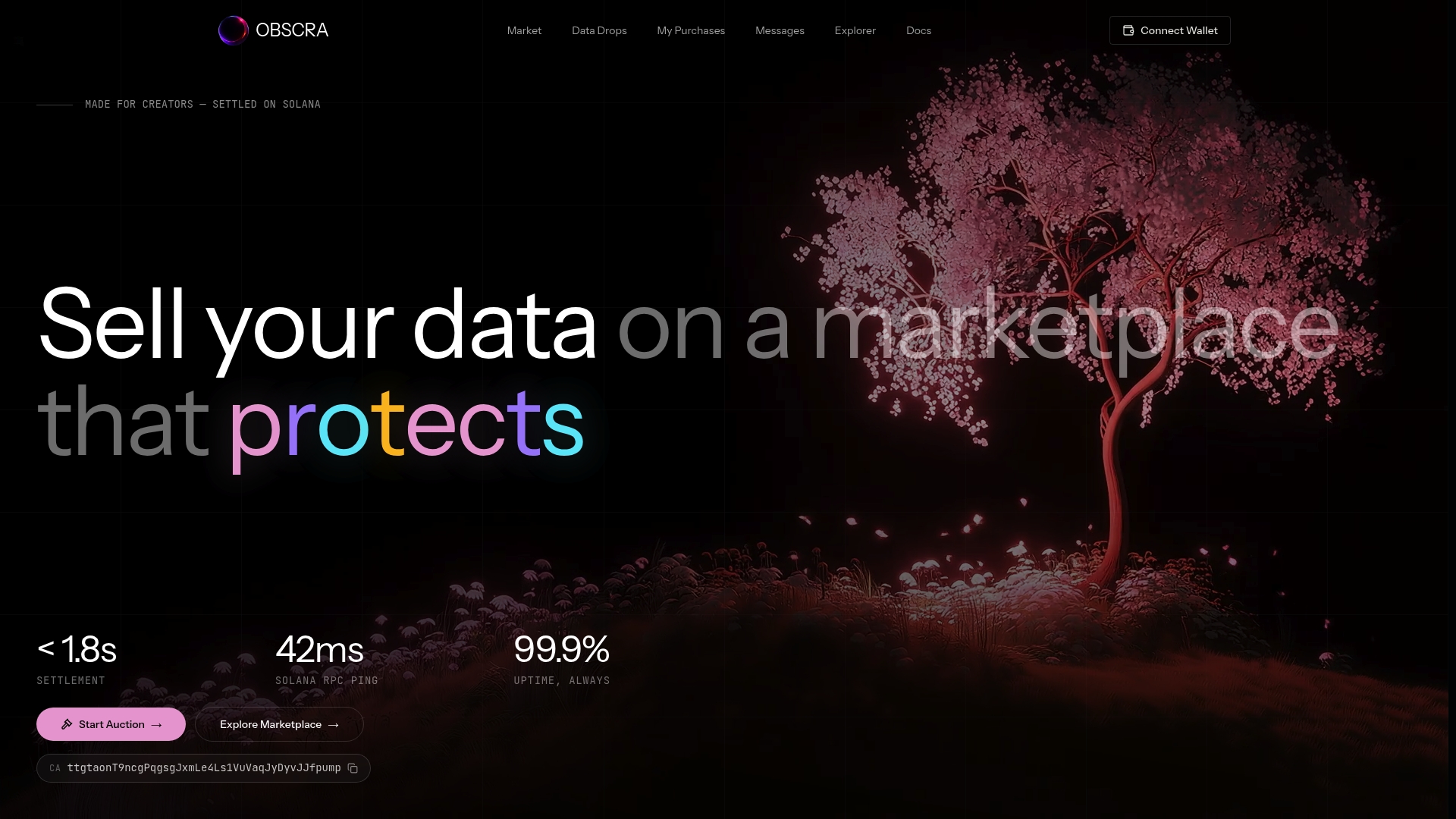
Obscra reports 99.99% uptime with no servers or planned downtime. The vendor advertises instant settlement in SOL sent directly to a seller’s wallet. The system uses peer to peer trading on Solana and mirrors files on IPFS for global availability.
Core Features
The platform runs encryption in the client so creators keep file privacy and private keys on their device. Payments settle in SOL directly to a seller’s wallet, removing platform cuts and middlemen. Content distribution uses IPFS, and the protocol is open source for self hosting and developer customization.
Key Differentiator
Obscra emphasizes direct, permissionless sales where creators control custody and settlement while buyers receive cryptographic proof of trade. The combination of client side encryption and on chain proof reduces the need to share raw files with intermediaries. That model favors creators who refuse custody handoffs and prefer trustless settlement.
Pros
Strong privacy comes from encryption performed in the browser, so private keys and files never leave a creator’s device. Payments go straight to wallets such as Phantom, Solflare, and Backpack in SOL, which removes platform revenue cuts and speeds settlement. The open source protocol plus IPFS distribution lets developers self host, fork, and build custom marketplaces on top.
Cons
- No public statement on platform fees; the vendor suggests there are no platform cuts but the fee structure is not clearly published.
- No explicit mention of international legal compliance or regulatory tooling, which complicates commercial licensing and cross border sales.
- The interface and available support assume blockchain and developer experience, so non technical creators may struggle.
When It May Not Fit
Not a good match for creators who want a managed storefront, non technical onboarding, or hands on customer support. Commercial sellers that need compliance controls, VAT handling, or contract templates should look elsewhere. Teams without Solana experience will face a learning curve and may need developer help to self host or customize the protocol.
Who It’s For
Blockchain developers, privacy focused creators, and entrepreneurs who manage wallets and custody will find Obscra aligned with their priorities. People comfortable with key management and basic Solana transactions gain full control over pricing and distribution. Those seeking a curated marketplace experience should consider alternate options.
Real World Use Case
A digital artist encrypts artwork in the browser, sets a price in SOL, and shares a purchase link. A buyer completes payment with a wallet and SOL transfers directly to the artist while IPFS mirrors the file for global access. The artist retains original keys and can verify the sale with on chain proof of trade.
Pricing
Free to use. Users pay storage costs and Solana transaction fees only. There are no platform fees published, and developers who self host will incur hosting and maintenance expenses.
Website: https://obscra.app
Inflectiv
At a Glance
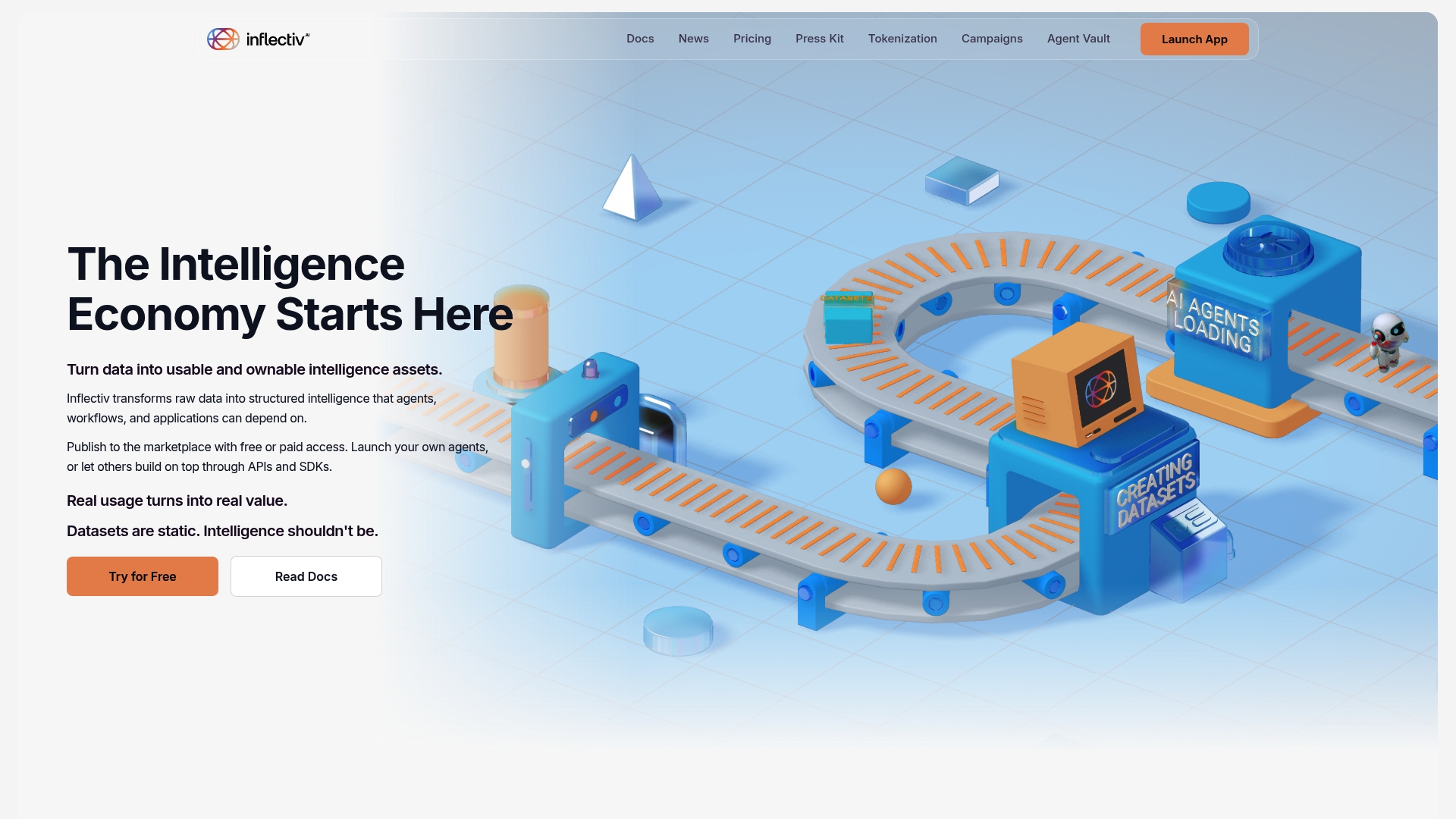
Inflectiv reports thousands of datasets and agents deployed across its marketplace. The platform converts unstructured documents, PDFs, and spreadsheets into structured, tokenized datasets that can be queried by AI systems. Contributors retain ownership and can list datasets for purchase or subscription through smart contracts.
Core Features
Inflectiv offers a discoverable marketplace where datasets are listed as free or paid and access is governed by tokenized rights. The platform handles data ingestion via upload or API, validates provenance and structure, and stores content on Walrus for encrypted, decentralized access. Tokenization uses bonding curves and blockchain mechanisms to create liquidity and traceable ownership.
Key Differentiator
The platform pairs decentralized storage with blockchain tokenization to attach verifiable ownership to datasets while enabling market liquidity. That combination lets AI developers and enterprises buy or subscribe to live, owner-backed data assets that update over time. The approach focuses on real-time intelligence assets rather than static bulk datasets.
Pros
Inflectiv lets domain experts monetize institutional knowledge by converting internal documents into tradeable data assets. That model supports ongoing revenue for contributors because tokenized rights and smart contracts automate access and payments. The platform accepts multiple formats for ingestion, which lowers friction when preparing datasets, and the vendor reports a strong community presence reflected in the deployment figures mentioned above.
Cons
- Documentation and integration pages currently return 404 errors, which slows onboarding and evaluation.
- The blockchain token model adds complexity for contributors unfamiliar with wallets or token economics.
- Dependence on underlying blockchain and storage layers may introduce latency and gas or storage costs.
- The marketplace currently appeals to a niche audience rather than buyers seeking flat-rate bulk licensing.
When It May Not Fit
Buyers seeking traditional bulk licensing or predictable flat-rate access will find the tokenized model awkward. Organizations in regions with limited crypto acceptance may face legal or operational hurdles. Teams that prefer turnkey, nontoken licensing workflows will need a different marketplace.
Who It’s For
Researchers, data professionals, and enterprises that want to monetize high-quality, owner-backed datasets will fit well. Ideal users are comfortable with wallets and token mechanics and want traceable provenance for AI training or agent access. Builders creating tokenized datasets for open or private marketplaces will find the tools relevant.
Real World Use Case
A data science team uploads internal research notes and spreadsheets, validates structure, then tokenizes the dataset and lists it on the marketplace. AI developers subscribe to that stream for model fine tuning and inference, and the original team receives automated payments through smart contracts. That workflow creates recurring revenue tied to dataset consumption.
Pricing
Pricing details are listed via the platform link; datasets may be offered as free or paid with access managed by smart contracts and tokenized rights. The storefront does not show fixed prices, so buyers must review listing terms or contact sellers for cost specifics.
Website: https://inflectiv.ai
Comparing the Top Decentralized Data Marketplaces
The following table evaluates prominent decentralized data marketplaces based on their core features and target user scenarios, aiding in informed decision-making.
| Product | Core Feature | Best for | Notable Limitation | Pricing |
|---|---|---|---|---|
| Ditgold | Decentralized data listing and tokenized datasets | Developers building data apps, token-based dataset entrepreneurs | Limited evidence of widespread transactions | Price not published |
| Ocean Protocol | Compute-to-Data privacy-preserving data operations | Blockchain data owners, AI developers needing secure training workflows | Complex setup and lesser noncrypto adoption | Price not published |
| Datum | Personal data control through tokens and consent-enabled marketplace | Privacy-conscious individual consumers, nontechnical contributors | Emerging market liquidity and limited regional support | Price not published |
| DC Network | Gamified contributions through faction systems and rewards | Gamers, Web3 contributors, AI hobbyists | Limited appeal to non-gaming or enterprise users | Free to join |
| Obscra | Peer-to-peer trading with zero platform cuts | Blockchain developers, artists valuing privacy-driven direct transactions | No publicly stated international compliance | Free to use |
| Inflectiv | Tokenized datasets with provenance and market liquidity | Researchers, token oriented market users | Blocked entry due to incomplete platform documentation | Price not published |
Why Choosing the Best Decentralized Data Marketplace Matters for Data Entrepreneurs and Developers
Data entrepreneurs and developers face the challenge of monetizing datasets fairly while maintaining control and governance. Ditgold uniquely addresses this challenge by linking tokenized datasets to a decentralized marketplace and community voting with its native DitAu token. This model ensures dataset creators receive market-driven value and stakeholders shape platform improvements together. Ditgold’s ecosystem offers marketplace access, governance participation, and developer tools tailored to innovators who view data as the new gold.
Key benefits of Ditgold include:
- A marketplace that empowers direct monetization of datasets
- Community governance that funds protocol enhancements
- A token model that rewards contributors directly
Explore Ditgold’s ecosystem and see how your datasets can reach the right buyers. Leverage Ditgold’s unique governance and staking features to realize the full value of your data assets.
FAQ
What makes Ditgold a suitable choice for dataset monetization?
Ditgold enables dataset creators to attach tokenized rights to their assets, supporting a decentralized marketplace for listing, licensing, and trading datasets. This feature allows creators to monetize their datasets directly, bypassing centralized intermediaries. Consider using Ditgold if you’re looking to monetize your datasets effectively through community governance and staking options.
How does Ditgold compare to Ocean Protocol in terms of data control?
Ocean Protocol effectively allows data owners to retain control over their datasets while enabling privacy-preserving commerce through its unique Compute-to-Data model. Ditgold, on the other hand, emphasizes a decentralized marketplace where dataset creators can directly monetize their data. If your priority is direct marketplace transactions, Ditgold is the better fit for monetizing your datasets despite Ocean Protocol’s strong focus on privacy and security.
Which platform is better for developers looking for tools and integrations?
Ditgold provides a stack of developer tools that includes smart contract security audits and Web3 interfaces, which are especially valuable for teams building interoperable data applications. In comparison, Ocean Protocol focuses more on programmable access and privacy mechanisms. If you are aiming to build decentralized applications with streamlined integration, Ditgold’s offerings may be more aligned with your needs.
Can I expect competitive liquidity on Ditgold’s marketplace?
There is currently limited evidence of widespread live marketplace transactions and operational liquidity on Ditgold. While Ditgold provides a promising avenue for developers and data entrepreneurs, users should be aware of this potential limitation when considering engagement.
What unique advantages does Ditgold offer for community governance?
Ditgold incorporates community voting that influences protocol upgrades, which empowers stakeholders by giving them a say in the platform’s direction. This governance model contrasts with traditional marketplaces that may not offer similar involvement opportunities, making Ditgold appealing for users interested in actively shaping the platform’s evolution.